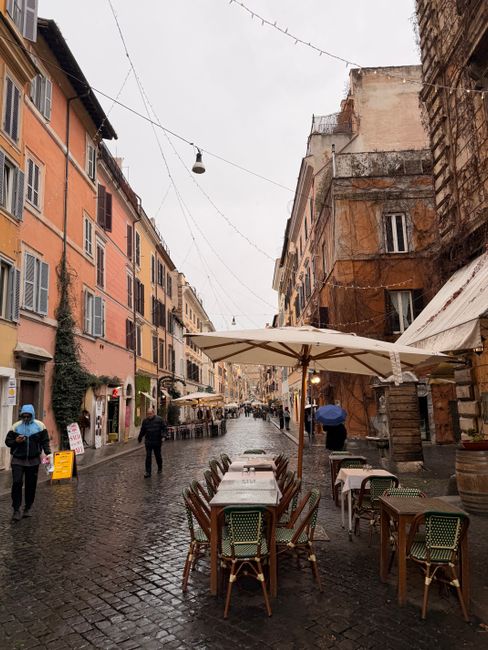
Trastevere Removals Guide for Narrow Rome Streets
Moving in Trastevere sounds charming until you are trying to get a sofa around a corner that barely fits two people side by side. That is the reality of a Trastevere removals guide for narrow Rome streets: less about brute force, more about planning, timing, access control, and calm, careful handling. If you are moving into or out of this part of Rome, the streets, steps, scooters, delivery traffic, and tight turning spaces can shape the entire day. This guide walks you through what to expect, how to prepare, and how to keep the move efficient without turning the whole thing into a small-scale disaster.
Truth be told, narrow-street removals reward preparation. The good news? With the right vehicle choice, packing method, and loading strategy, a move in Trastevere can be surprisingly manageable. Below, you will find a practical, human guide that covers the common pitfalls, the smarter options, and the details people often miss the first time around.
Why Trastevere removals guide for narrow Rome streets Matters
Trastevere is one of those places where the setting is part of the challenge. The streets are characterful, but character does not make a staircase wider or a corner less awkward. In narrow Roman streets, the difference between a smooth move and a stressful one often comes down to how well you match the vehicle, timing, and packing approach to the route itself.
Why does this matter so much? Because moving is not just about transport. It is about access. A removal van can be perfectly capable on paper and still be the wrong fit if the street is too tight for safe stopping, unloading, or turning. Add pedestrian traffic, parked cars, motorbikes, and the usual city unpredictability, and the day can unravel fast if no one has planned the sequence properly.
This is especially true for flats, upper-floor apartments, and older buildings where stairs are steep and lifts are small or non-existent. If you have ever tried to angle a wardrobe through a doorway while someone is politely saying, "maybe just a little more to the left," you know the feeling. Not ideal.
Getting the plan right also protects your belongings. Less shuffling, less carrying distance, fewer last-minute manoeuvres. That means a lower chance of scrapes, cracked corners, or accidental damage to walls and banisters. It also tends to reduce labour time, which is helpful if you are trying to keep costs under control.
If you are comparing options, it may help to look at broader moving support too, especially for general removals services or more compact moves that suit man and van support. For flat-based moves, flat removals can be a better fit than a larger full-house setup.
How Trastevere removals guide for narrow Rome streets Works
A good Trastevere move is usually built around access planning. Before a single box is lifted, the removals team needs to understand the street width, parking restrictions, building entrance, internal stairs, lift size, and the exact walking distance from vehicle to front door. That sounds a bit formal, but it is really just the practical side of moving in a dense historic area.
In practice, the workflow often looks like this:
- Site review or remote access assessment - The team looks at the property layout, street conditions, and load-in point.
- Vehicle selection - A smaller removal van, or in some cases a more flexible removal van, may be better than a larger truck.
- Packing strategy - Fragile and awkward items are packed so they can be moved quickly and safely through narrow spaces.
- Timed arrival - The crew arrives when the street is most workable, often avoiding peak congestion where possible.
- Load management - Items are carried in the right order: bulky first, fragile last, and nothing left to last-minute improvisation.
- Final handover - Furniture is placed where it can be checked, unpacked, or reassembled without cluttering tight hallways.
That is the core of it. Simple in theory, fiddly in real life. Especially where neighbours, delivery bikes, and unexpected vehicle access issues all arrive at once. A move that respects the street is usually a move that finishes on time.
If your move has a time-sensitive angle, such as moving out before a tenancy ends, same-day support can be useful. For that kind of pressure, same-day removals may be worth considering, though availability and suitability depend on the job itself.
Key Benefits and Practical Advantages
A thoughtful approach to moving in Trastevere offers more than convenience. It genuinely changes the shape of the day.
- Less risk of delay - A suitable van and an efficient loading plan reduce the chances of getting stuck on access problems.
- Lower handling stress - Shorter carry routes and smaller loads are easier on both people and possessions.
- Better protection for furniture - Fewer tight turns and fewer repeated lifts mean less wear and tear.
- More predictable costs - When the route is planned properly, the move is less likely to run long.
- Reduced disruption - Neighbours, building staff, and passers-by are less likely to be affected if the move is well managed.
- Cleaner decision-making - You know whether you need a full removal service, a van-based move, or extra packing help.
Another practical advantage is emotional, not just logistical. When a move in a tight street is controlled and quiet rather than frantic, the whole day feels less chaotic. That matters more than people admit. Moving is already tiring. You do not need unnecessary drama on top.
For anyone who would rather hand over the heavy lifting, a full removal service can be the easier route, while support with packing and boxes helps make tight access far less awkward.
Who This Is For and When It Makes Sense
This guide is useful if you are moving into a Trastevere apartment, leaving a historic flat, relocating a small office, or shifting furniture in a street where a large truck simply is not the answer. It is especially relevant if the property has narrow stairs, small internal landings, old floors, or limited kerbside space.
Typical situations include:
- a one- or two-bedroom flat on an upper floor
- a student move with a compact load
- a small business relocation with desks, chairs, and boxed equipment
- a short-notice move where timing is tight
- a move involving fragile or awkward items like mirrors, artwork, or a piano
If you are moving a whole household, then a more structured home moves approach may suit you better. For more complex domestic moves, house removals and experienced house removalists can help with the planning load. For smaller, lighter, or budget-conscious moves, man with van and man with a van options are often a better fit.
It also makes sense if you are simply worried about the street itself. That is fair. Not every move needs the same level of equipment. A quiet backstreet in Rome is not the place to guess your way through with an oversized vehicle and hope for the best.
Step-by-Step Guidance
Here is the practical version. Not glamorous, but useful.
1. Measure what matters
Start with the actual dimensions of your furniture and the likely route out of the property. Measure the widest pieces, the stair width, the front door, and any awkward corners. A tape measure and a quick phone video can save a lot of pain later.
2. Check street access early
Do not assume a vehicle can simply stop outside. Narrow streets in Trastevere may require a smaller van, a shorter unloading window, or a staged transfer from a more accessible spot nearby. If the move depends on a large vehicle, the street may be the limiting factor rather than the load itself.
3. Decide on the right moving setup
A small flat move might be perfectly handled with a removal van or compact van-based service. A larger domestic or commercial move could need a more substantial vehicle, possibly even moving truck support or removal truck hire. In a narrow street, bigger is not automatically better.
4. Pack for carry efficiency
Use small-to-medium boxes for books, crockery, and dense items. Overfilled boxes are brutal in stairwells. Honestly, nobody enjoys carrying a box that feels like a brick. Wrap fragile items well, label the sides clearly, and keep essentials separate so they are not buried under the kitchen gear.
5. Clear the route inside and out
Inside the property, create a clear path from rooms to exit. Outside, identify where the team can set down items without blocking neighbours or foot traffic. If needed, use protective covers on floors and bannisters. Small preparation, big difference.
6. Load in the right order
Heavy and awkward items should be handled first, while the easy-to-carry boxes come later. That approach reduces congestion in the entrance and keeps the team moving smoothly. If there is a piano, specialist handling is sensible. A piano removals service is not overkill if the item is valuable or difficult to manoeuvre.
7. Leave room for the unexpected
City moves rarely follow a perfect script. A parked scooter, a delivery stop, or a narrow junction can slow things down. Build a little margin into the schedule. It is a calmer way to work.
If you are relocating a small business, the same structure applies, only with more boxes and more "where did that cable go?" moments. For that, commercial moves or office removals may be the sensible route.
Expert Tips for Better Results
A few things make a surprisingly big difference in tight urban moves. These are the details that often separate a smooth job from a frustrating one.
- Use smaller boxes than you think you need. In narrow staircases, box size matters more than people expect.
- Disassemble large furniture early. Bed frames, table legs, shelving, and wardrobe doors are all easier to move in parts.
- Keep hardware in labelled bags. It sounds obvious, but tiny screws have a way of disappearing into another universe.
- Protect corners, not just surfaces. Door frames and stair edges are the usual victims in tight spaces.
- Plan for pedestrian flow. In Trastevere, you may be sharing space with locals, tourists, and delivery traffic. Be courteous and quick.
- Use clear box labelling. "Kitchen - fragile" is more useful than "misc.", which is about as helpful as a chocolate teapot.
Another tip: if your move involves waiting time, do not leave the crew standing around with no clear instruction. Have the next step ready. Small pauses add up fast. And in a narrow street, seconds matter more than they do on an open industrial estate.
For people moving between properties and needing somewhere to store items briefly, storage can take pressure off the move-out and move-in sequence. That can be especially useful if completion dates do not line up neatly.
Common Mistakes to Avoid
The mistakes are usually practical, not dramatic. Still, they can cost time and money.
- Booking the wrong vehicle size - A vehicle that is too large can make loading harder and may not fit the street safely.
- Underestimating stairs - A third-floor walk-up in Rome is not the same as a lift-access apartment. Not even close.
- Packing too late - Last-minute packing tends to create loose items, bad labels, and stress.
- Ignoring access windows - If a street is only workable at certain times, you need to plan around that.
- Leaving fragile items unprotected - Historic buildings are not forgiving of knocked corners.
- Forgetting building rules - Some properties have quiet-hour expectations, lift reservations, or access protocols.
One more thing: do not assume that a "small move" means a simple move. A single sofa can become the hardest part of the day if the route is awkward. That is just how it goes sometimes.
Tools, Resources and Recommendations
You do not need a warehouse full of specialist equipment. But a few basics help a lot.
| Tool or Item | Why it Helps | Best Use |
|---|---|---|
| Tape measure | Checks furniture, doorways, and stair widths before the move | Pre-move planning |
| Furniture blankets | Reduces scuffs and surface damage | Wrapped furniture and appliances |
| Sturdy boxes | Makes lifting safer and more predictable | Books, kitchenware, office files |
| Labels and marker pens | Speeds unloading and room placement | Clear box identification |
| Tool kit | Useful for dismantling and reassembly | Beds, tables, shelving |
| Protective floor covering | Helps prevent marks in hallways and stairwells | Building entrances and internal routes |
For packing support, packing and unpacking services can save time and reduce mistakes. If the move is residential, the broader removals service may be enough; if it is a smaller load, a van-based approach might make more sense.
Also worth mentioning: if you need to understand the company itself before booking, the about us page is a sensible place to start, while insurance and safety details matter if your items are valuable or unusually delicate.
Law, Compliance, Standards, or Best Practice
For a move in a historic, high-footfall area like Trastevere, the main compliance concern is usually not a single dramatic rule. It is a mix of practical local access requirements, building rules, parking restrictions, and general health and safety duties. Because these can vary, it is wise to confirm the exact arrangements for your property and street rather than relying on assumptions.
Good practice usually includes the following:
- using a vehicle suitable for the street and load
- avoiding obstruction of pavements and entrances
- protecting shared areas in residential buildings
- handling heavy items with proper lifting technique
- keeping communication clear between movers and client
- following any property-specific access requirements
If you are comparing providers, look for transparent terms and payment clarity. It is sensible to review terms and conditions and payment and security information before confirming anything. You may also want to see the company's approach to health and safety and recycling and sustainability if disposal or reuse is part of the move.
That kind of due diligence sounds dull. Fair enough. But it avoids nasty surprises later, which is the bit people remember.
Options, Methods, or Comparison Table
There is no single best way to handle a Trastevere move. The right option depends on volume, access, time pressure, and how much help you want.
| Method | Best For | Strengths | Watch Outs |
|---|---|---|---|
| Man and van | Small flats, lighter moves, short distances | Flexible, compact, often efficient in tight streets | May not suit larger furniture volumes |
| Full removal service | Whole-home moves, more fragile or bulky loads | More structured, more hands, less stress | Can be more than you need for a very small job |
| Removal van only | Simple transport where access is the main issue | Good for narrow streets and quick loading | Needs strong packing and self-preparation |
| Storage-plus-move | When dates do not align or space is limited | Reduces pressure and makes timing easier | Extra step to manage |
If the job is commercial, the comparison shifts a bit. Office equipment, files, and furniture often need more planning than a standard flat move. In that case, office relocation services can be the more practical choice.
Case Study or Real-World Example
Imagine a two-bedroom flat in Trastevere with a narrow stairwell, a shared entrance, and a street that only allows a small van to stop briefly. There is a sofa, a bed frame, boxed kitchen items, and a few framed pieces of artwork. Nothing outrageous. But enough to get messy if handled casually.
The move works best when the preparation is split into three parts. First, the sofa is measured and checked against the stair turn, so there are no surprises. Second, the bed frame is dismantled the day before, with screws bagged and labelled. Third, the van arrives at a quiet window in the morning, when the street is less congested and the crew can load quickly.
On the day, the biggest win is not speed for its own sake. It is rhythm. Boxes come out in an order that keeps the hallway clear. Soft items are carried first to protect sharp edges. The team uses floor protection at the entrance. The result is a move that feels controlled, even if the street itself remains a bit of a squeeze.
That is usually the point. Not perfection. Just fewer surprises, fewer awkward pauses, and a cleaner finish at the other end.
Practical Checklist
Use this checklist to keep the move on track.
- Measure furniture, doors, stairs, and key corners
- Confirm whether a small van or larger vehicle is realistic
- Check the load-in point and any access restrictions
- Pack heavy items into small, sturdy boxes
- Label all boxes by room and priority
- Disassemble large furniture where possible
- Protect floors, bannisters, and furniture corners
- Keep essentials separate for the first night
- Review building instructions and timing requirements
- Leave a buffer for traffic, parking, and carry delays
- Confirm insurance, safety, and booking details in advance
- Plan storage if dates do not line up neatly
One small note that saves a lot of grief: keep keys, documents, chargers, and medications in one obvious bag. Not in a box. Not "somewhere safe." One obvious bag.
Get a free quote today and see how much you can save.
Conclusion
A move in Trastevere is all about respect for the street, the building, and the reality of the job. Narrow access is not a problem to ignore; it is the main thing to plan around. Once you accept that, everything gets easier. You can choose the right vehicle, pack smarter, schedule better, and avoid the classic last-minute panic that city moves seem to collect like dust on a windowsill.
If you are preparing a move in a tight Roman street, start with measurements, keep your packing disciplined, and choose a removal setup that fits the space rather than fighting it. That is the calmest route, and usually the most cost-effective one too. A little planning goes a very long way, especially where the streets are old and the corners are unforgiving.
In the end, the best move is the one that feels almost boring on the day. Quiet. Organised. No drama. Lovely, really.
Frequently Asked Questions
What makes Trastevere removals harder than a normal city move?
The main issue is access. Narrow streets, limited stopping space, older buildings, and tight staircases all make loading and unloading more complicated than in a modern residential area.
Do I need a small van for a move in narrow Rome streets?
Often, yes. A smaller van or compact removal vehicle is usually easier to position safely. The right size depends on the street, furniture volume, and whether the property has straightforward access.
Can a full removal truck work in Trastevere?
Sometimes, but not always. It depends on the exact street width, turning space, and loading restrictions. In many cases, a larger truck is less practical than a smaller van-based move.
How far in advance should I plan a Trastevere move?
As early as you can, especially if you have bulky furniture or time-sensitive access. Even a few extra days can make a difference when street access is tight.
What should I pack first for a narrow-street move?
Start with non-essential items and dense belongings like books or kitchenware. Keep daily essentials separate so they are easy to reach at the other end.
Is it worth using professional packing help?
If you have fragile items, awkward furniture, or a tight timetable, yes. Professional packing can reduce breakage and make loading much easier in narrow spaces.
What if my building has no lift?
Then the staircase becomes part of the plan. That means smaller boxes, better protection, and careful scheduling. It is manageable, but it needs more thought than a lift-access move.
Can I store items if my move-in date is delayed?
Yes, storage can be a practical bridge when dates do not align. It helps if you are moving out before the new place is ready or if the new property is not fully accessible yet.
How do I avoid damage in a narrow stairwell?
Use protective covers, break down large furniture where possible, and keep boxes at sensible weights. The goal is to reduce awkward angles and repeated handling.
Is a man and van service enough for a Trastevere flat move?
For smaller flats or lighter loads, it often is. For larger furniture, multiple rooms, or fragile belongings, a fuller removals service may be the safer choice.
What if I need to move quickly?
If time is tight, ask about a same-day or short-notice option. It is best to check availability early, because narrow-street moves still need proper planning even when they are urgent.
How do I choose a company for a difficult access move?
Look for clear communication, insurance awareness, careful planning, and experience with tight access. You want a team that asks the right questions before the move, not after it.